Growing After Dark: The Valley's Underground Network of Night-Shift Urban Farmers

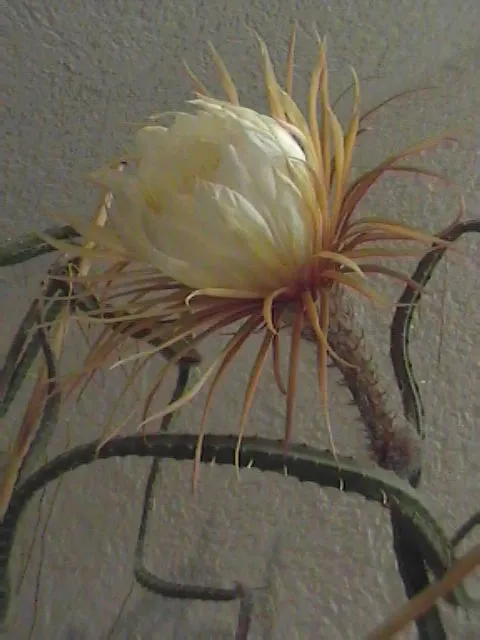
Photo: Chris English, CC BY-SA 3.0, via Wikimedia Commons
It's 11 p.m. on a Tuesday in South Phoenix, and Maria Delgado is on her knees in the dirt. Her headlamp cuts a white beam through the darkness as she checks the soil moisture around a row of Armenian cucumbers. The temperature has finally dropped to a manageable 94 degrees. For Maria, that counts as perfect growing weather.
"Most people think you can't grow food in Phoenix during summer," she says, pressing a thumb into the earth. "You absolutely can. You just have to stop thinking like someone who lives somewhere else."
Maria is part of a loosely organized but deeply connected movement of Phoenix residents who have rethought urban agriculture from the ground up — literally. Across the Valley, from Maryvale to Mesa to the alleyway gardens of Tempe, a growing number of growers are abandoning the sunrise-to-noon schedule that most gardening guides assume, and replacing it with something that actually makes sense here: farming after dark.
Why the Night Makes Sense in the Desert
The logic is almost embarrassingly simple once someone explains it. Phoenix summers are brutal on plants for the same reason they're brutal on people — sustained, relentless heat that shows no mercy between roughly April and October. Daytime soil temperatures in an unshaded Phoenix backyard can exceed 140 degrees Fahrenheit. Most vegetable crops aren't just stressed at those temperatures; they're functionally cooked before they ever hit a pan.
But nighttime in Phoenix, even in July, offers a different world. Temperatures regularly fall into the low 90s or high 80s after midnight. Evaporation slows dramatically. Water actually reaches plant roots instead of vanishing into the air before it can be absorbed. And the plants themselves — particularly varieties bred or selected for desert climates — respond to those cooler hours with something close to enthusiasm.
Daniel Runningwater, a Akimel O'odham descendant who grows on a quarter-acre lot in Laveen, has been cultivating traditional desert crops this way for nearly a decade. He grows tepary beans, devil's claw, and several varieties of squash that his family has maintained through generations of seed-saving. His garden runs almost entirely on a nocturnal schedule.
"My ancestors weren't planting at noon in July," he says, half-laughing. "That's a European idea imported to a place it was never meant to fit. The desert has its own rhythm. We just forgot how to listen to it."
The Seed-Sharing Underground
What makes this movement genuinely interesting isn't just the timing — it's the community infrastructure quietly building up around it. Across the Valley, night growers have developed informal seed libraries, group text chains, and occasional late-night meetups in community parks and parking lots where they trade cuttings, compare growing notes, and pass around seeds that commercial nurseries simply don't stock.
One of the most active hubs is a WhatsApp group called Desert After Dark, which started with about a dozen members three years ago and now has over 300 participants from across Maricopa County. Members post photos of their harvests, troubleshoot pest problems, debate the merits of different moon-phase planting calendars, and organize seed swaps that sometimes happen at 1 a.m. in a Walgreens parking lot.
"We joke that we're the farmers who only exist after midnight," says Priya Okonkwo, a Chandler-based grower who joined the group after struggling to keep a conventional garden alive through her first Phoenix summer. "But honestly, it's become one of the most real communities I've found since moving here. These people care deeply — about the plants, about each other, about the city."
Priya now specializes in night-blooming plants: moonflowers, evening primrose, night-blooming cereus, and a sprawling patch of four o'clocks that explodes into color just as the sun disappears. She started growing them partly for the beauty, but she's since learned that several have practical uses — pollinator support, natural pest deterrents, and in some cases, food value that most Phoenicians have never considered.
Food Security in an Unexpected Form
There's a more urgent dimension to all of this. Phoenix consistently ranks among American cities with the highest rates of food insecurity, and the problem is compounded by the Valley's sprawling geography and the scarcity of full-service grocery stores in lower-income neighborhoods. Community gardens have long been pitched as part of the solution, but traditional garden models — which assume temperate growing seasons and daytime maintenance schedules — often fail to thrive in Phoenix's climate without significant infrastructure investment.
The night-farming model sidesteps a lot of those barriers. It requires less water (or uses it far more efficiently), doesn't demand expensive shade structures, and can be practiced on small plots, rooftops, or even in containers on a covered patio. Several participants in the Desert After Dark network have begun donating surplus produce to neighbors and local mutual aid organizations, creating a small but meaningful supply of fresh vegetables in areas that see very little of it.
Jorge and Lupe Armenta, a retired couple in Glendale, have turned a formerly dead backyard into what their grandkids call "the night jungle" — a dense, productive tangle of chiles, herbs, heirloom tomatoes, and climbing beans that they tend almost exclusively between 9 p.m. and midnight. Last summer, they gave away over 200 pounds of produce to neighbors and a local church food pantry.
"We're not saving the world," Lupe says, smiling. "But we're feeding some people who needed feeding. That feels like enough."
Reimagining What a Garden Looks Like Here
Maybe the deepest shift happening in these moonlit backyard plots is a conceptual one. Phoenix has spent much of its history trying to import lifestyles from cooler, wetter places — green lawns, daytime farmers markets in June, landscaping that requires constant fighting against the climate rather than working with it. The night-farming movement, almost by accident, is pushing back against that tendency.
It's asking a different question: not "how do we make Phoenix more like somewhere else?" but "what does thriving actually look like in this specific, extreme, beautiful, difficult place?"
Daniel Runningwater puts it simply, standing in his garden as a barn owl calls from somewhere nearby in the dark. "The desert isn't hostile. It just has rules. Learn the rules, and it'll feed you. Fight them, and you'll spend your whole life losing."
Somewhere across the Valley tonight, a few hundred headlamps are clicking on. The midnight farmers are going to work.