Empty Storefronts, Full Potential: The Phoenix Educators Quietly Building Classrooms in Abandoned Spaces
Drive down almost any major commercial corridor in Phoenix — Baseline Road, McDowell, 35th Avenue — and you'll pass them. Bleached-out lease signs. Dusty windows. The faint ghost of a logo that used to mean something to somebody. Vacant storefronts are a familiar part of the Valley's landscape, casualties of economic shifts, pandemic fallout, and the relentless churn of retail.
But a handful of educators, nonprofit organizers, and just plain determined community members have started looking at those empty spaces differently. Not as blight, but as possibility. They're signing short-term leases, calling in favors, dragging in folding tables and donated bookshelves — and turning forgotten commercial real estate into something the surrounding neighborhoods have often never had: a free place to learn.
A Classroom Without a Campus
Marisol Guerrero spent twelve years teaching seventh-grade English at a Title I school in west Phoenix before she started wondering why her students had nowhere to go after the bell rang. "The library closes early. The park doesn't have Wi-Fi. Home is loud and crowded," she says, sitting in the space she now calls La Sala — a former nail salon on 43rd Avenue that she and two other teachers began leasing in early 2023 for just under $400 a month, split three ways.
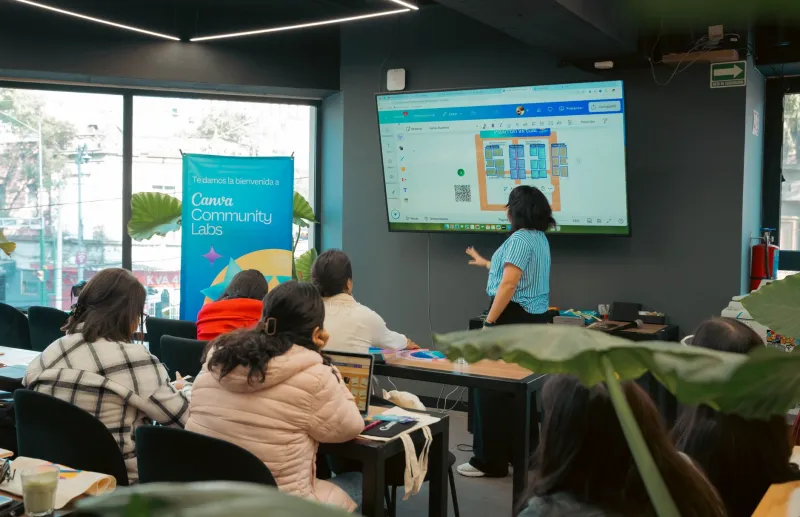
The transformation wasn't glamorous. They painted over the old signage themselves. The mismatched chairs came from a church that was upgrading its fellowship hall. A local print shop donated a whiteboard. But what La Sala offers — free drop-in tutoring on weekday afternoons, a Saturday writing workshop, and a monthly career panel where local professionals talk to teenagers about their jobs — has become genuinely essential to the families in the surrounding blocks.
"We had a kid come in who hadn't turned in a single assignment in two months," Guerrero recalls. "By the end of the first month here, he had a B in math. It wasn't magic. He just needed somewhere quiet and someone who gave a damn."
The Logistics Are Messier Than They Look
Replicating that kind of impact isn't as simple as finding an empty space and unlocking the door. The educators doing this work are navigating a surprisingly complicated web of zoning regulations, liability questions, and the perpetual scramble for funding.
Phoenix's zoning code doesn't have a clean category for "community learning space" in a commercial zone. Depending on the neighborhood and the nature of the programming, operators may need to apply for conditional use permits, navigate ADA compliance requirements, or deal with landlords who are enthusiastic about the concept right up until they realize it involves minors on the premises regularly.
David Okafor, who runs a nonprofit called Corridor Learning out of a former tax prep office near South Mountain, has become something of an informal advisor to other groups trying to set up similar spaces. He spent nearly six months untangling permitting issues before his doors officially opened. "Everyone wants to help until there's paperwork involved," he says with a laugh that's only half joking. "But you figure it out. You find a lawyer who'll do it pro bono. You find a city council staffer who actually returns calls."
Funding is its own ongoing puzzle. Most of these spaces operate on a patchwork of small grants, individual donations, and in-kind support. Corridor Learning received a $15,000 grant from a local community foundation last year — enough to cover rent for the year and purchase a set of Chromebooks. But Okafor is already thinking about what happens when that money runs out.
What These Spaces Actually Do
The programming varies from storefront to storefront, shaped by whoever is running the space and what the immediate neighborhood needs most. In Maryvale, one converted insurance office hosts weekly ESL classes for adults alongside after-school homework help for their kids — both generations learning side by side, sometimes literally at the same table. Near the Laveen area, a former smoothie shop now doubles as a music production workshop on weekends, run by a high school music teacher who brings in a rotating cast of local producers to mentor teenagers interested in audio engineering.
What these spaces share is a deliberate informality. There are no bells, no dress codes, no grades. People come because they want to, which changes the entire dynamic of learning. "You walk in here and nobody's going to call your parents if you leave," says one teenager at La Sala, half-joking. "So you actually want to stay."
That voluntary quality, counterintuitively, tends to produce real engagement. Okafor has tracked attendance at Corridor Learning for two years now, and his numbers tell a consistent story: kids and adults who show up once tend to come back. The average participant visits the space more than twice a week.
The Landlord Question
One of the more unexpected dynamics in this whole ecosystem is the relationship between these learning spaces and the property owners themselves. Some landlords have been extraordinarily generous — offering below-market rents or even temporary free use of spaces that have sat empty for years. Others have been harder to convince.
But there's a practical argument that's starting to land with more commercial property owners: an active, community-serving tenant is better for the surrounding retail environment than a vacant unit. Foot traffic increases. The block feels safer. Other tenants notice.
"I had a landlord who was skeptical," Okafor says. "Then the taqueria next door told him their lunch business had gone up since we opened. He hasn't raised our rent once."
Something the Valley Needs More Of
Phoenix is a city that has always built fast and sometimes forgotten to fill in the gaps — in infrastructure, in services, in the kinds of third places that help communities cohere. The people turning vacant storefronts into learning spaces aren't waiting for a master plan. They're doing the work with what's available, in the spaces that nobody else wanted.
Marisol Guerrero is already thinking about expanding La Sala's hours. She's in conversations with a dentist who wants to offer free oral health screenings out of the space on Saturday mornings. A retired electrician has offered to teach a basic home repair class once a month.
"People keep asking me when we're going to get a real building," she says. "But honestly? This is real. This is as real as it gets."
The sign in the window still says the space is available for lease. Guerrero hasn't had the heart to take it down. "It reminds me that we're supposed to be temporary," she says. "It keeps us hungry."